Written by Dr Hinal Kumar.
GLP-1 receptor agonists (often called GLP-1 medicines) are increasingly used to manage type 2 diabetes and obesity. These medicines can offer important health benefits, but rapid improvements in blood glucose levels can affect eye health, particularly for people who already have diabetic retinopathy.
How can rapid improvements in blood glucose affect the eyes of people living with diabetes?
Diabetes can affect small blood vessels at the back of the eye, causing a condition called diabetic retinopathy. In its early stages, it may not cause noticeable symptoms, but more advanced disease can affect vision.
When blood glucose levels have been high for a prolonged period, a rapid and large drop in blood glucose levels can sometimes temporarily worsen existing diabetic retinopathy. This is known as early worsening of diabetic retinopathy.
This phenomenon is not unique to GLP-1 medicines. It has also been observed with other treatments that can quickly improve blood glucose control, such as insulin. This is more likely to be a concern for people who already have diabetic retinopathy, particularly those with more advanced eye disease or very high blood glucose levels before starting treatment.
It is important to understand that temporary worsening of diabetic retinopathy following rapid improvements in blood glucose is not necessarily a direct side effect of the medicine. It may be related to how quickly blood glucose levels improve.
Importantly, this does not mean that improving blood glucose control is harmful. Good long-term diabetes management remains essential for reducing the risk of complications, including diabetic eye disease. The priority is to identify existing retinopathy and ensure that appropriate eye assessments and follow-up are in place.
What can you do to protect your eyesight?
If you are starting a new glucose-lowering treatment or expecting a substantial improvement in blood glucose control, there are several practical steps you can take.
Keep up with diabetic eye screening. Screening can detect early changes before you notice symptoms. Attend your appointments even if your vision seems normal.
Tell your diabetes team about existing eye disease. If you have diabetic retinopathy or have previously received treatment for it, make sure your healthcare team knows.
Ask whether you need additional eye checks. NICE guidance recommends that, if you are starting diabetes treatment that is likely to cause a rapid, significant reduction in HbA1c, your eye specialist (ophthalmologist) should be informed. Your eyes may need to be checked before treatment starts and monitored afterwards.
Continue managing your diabetes. Good long-term blood glucose and blood pressure control are important for protecting your eyesight.
Discuss concerns before changing treatment. Do not stop or alter prescribed medication without medical advice. Your healthcare team can help you understand the benefits and risks in the context of your individual circumstances.
When should you seek medical advice?
Knowing when to seek help is an important part of protecting your sight.
Sudden loss of vision, even partial loss or painless blurring, requires urgent assessment. Seek emergency eye assessment at an eye casualty service or attend the Emergency Department urgently, regardless of which diabetes medication you take.
New floaters, distorted vision, persistent blurring or gradually worsening eyesight should also be assessed promptly, particularly if you have diabetes. Do not wait for your next routine screening appointment if you develop new symptoms.
Further information
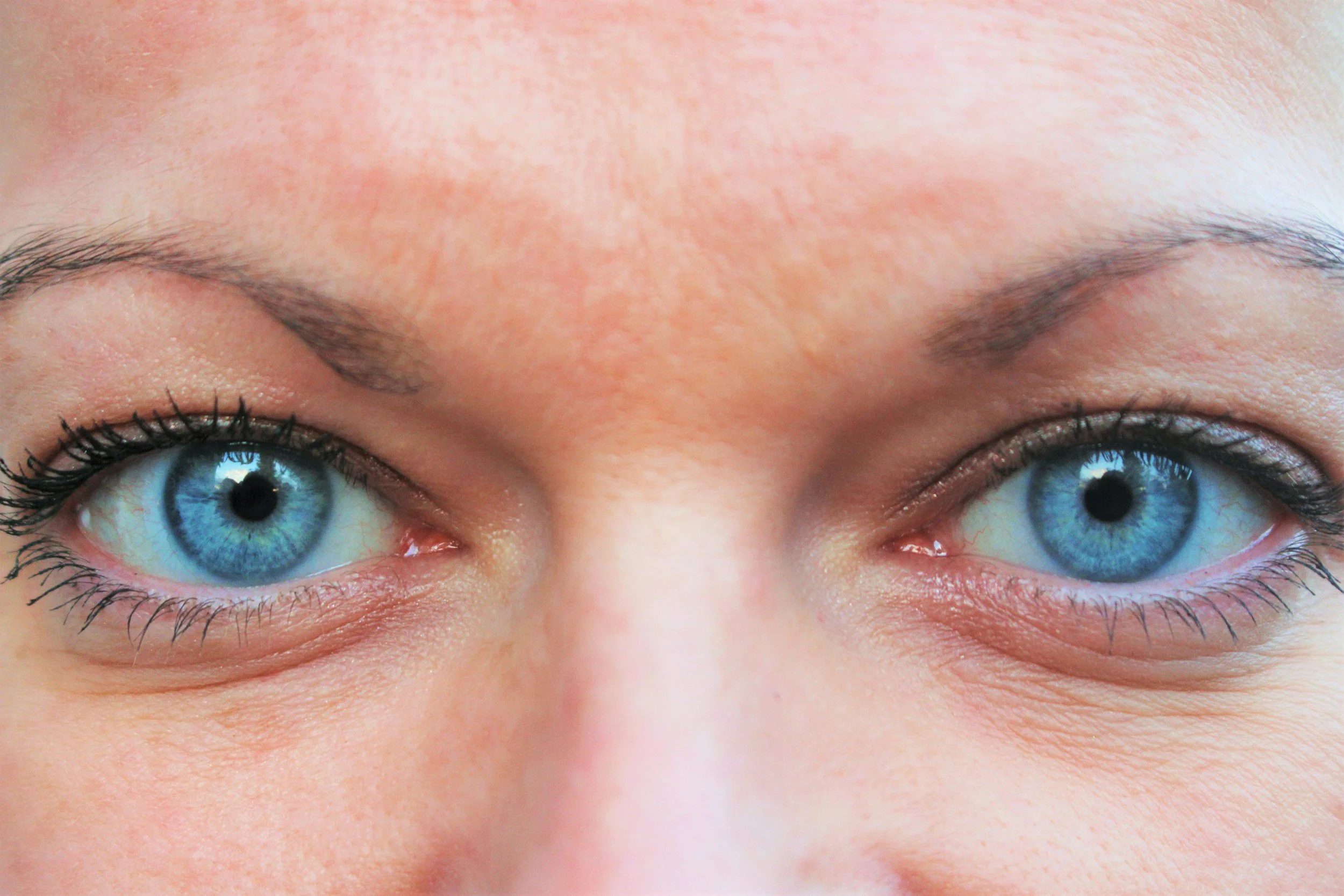
Image for illustrative purposes.
Latest LDC News: